7 Best Natural Fertility Foods for Getting Pregnant
You’ve probably heard this before: what you eat can affect your fertility. And if you’re trying to get pregnant, it’s normal to start wondering: what are the best foods for getting pregnant naturally? Here at Fertility Bandwidth, we’ve often been asked: What are the natural fertility foods for getting pregnant? What foods are bad for fertility? Can I get on a pregnancy diet? Are there natural fertility pills or supplements to get pregnant? Tell me the foods that increase fertility in females.
If you’ve been asking any of these, you’re not alone. It can feel overwhelming trying to figure out what actually makes a difference and what’s just noise. But the truth is, the right nutrition can play a powerful role in supporting your body on its journey to getting pregnant naturally.
Here are seven natural fertility foods that may boost fertility and increase your chances of getting pregnant faster:
1. Leafy Greens
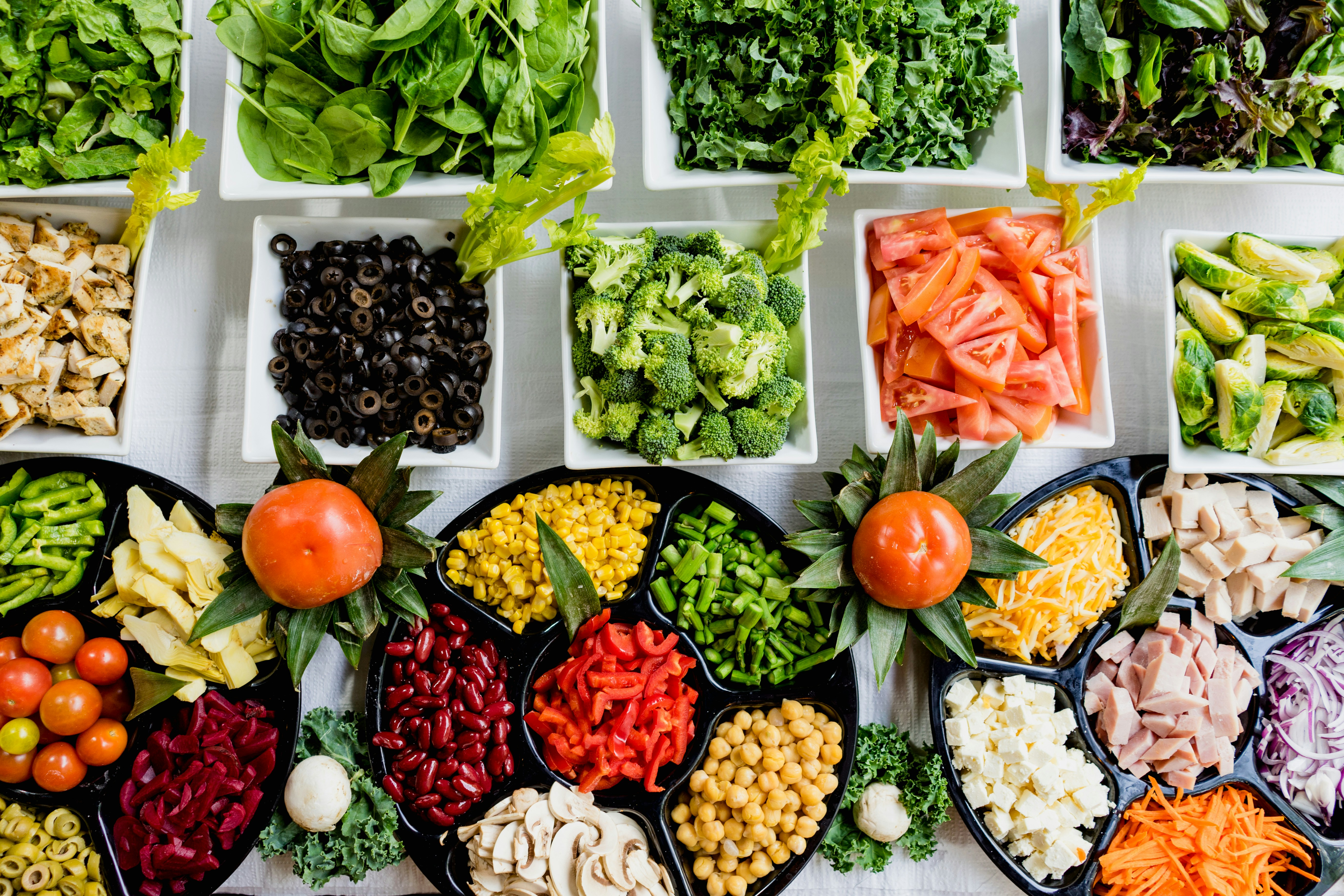
Dark leafy vegetables, such as spinach and kale, offer a wealth of vital nutrients that can significantly improve your fertility. Rich in folate, these vegetables help regulate your cycles and enhance egg quality. They also provide antioxidants, which fight oxidative stress; a key cause of fertility. You can consider adding vegetables to your meal if you wish to improve your egg quality, remove oxidative stress and increase your chances of getting pregnant. It is a simple yet effective way to nurture your body.
2. Berries
Acai berries, blueberries, raspberries, blackberries, cranberries, and strawberries are another important food to consider. Berries contain:
Antioxidants
Dietary fiber
Protein
Polyphenols
Vitamins, minerals, and lipids
Whether you’re making a low-sugar smoothie or having an oatmeal, berries are a great option for your antioxidants and vitamins required to increase your chances of getting pregnant.
3. Nuts and Seeds
Nuts and seeds aren’t just tasty snacks; they’re a source of healthy fats and protein. Rich in omega-3 fatty acids, they help reduce inflammation and support hormone production. For women over 30, using a variety of nuts and seeds can enhance egg quality and promote hormonal balance.
Some nuts and seeds required to increase fertility for women include:
Almonds
Walnuts
Flaxseeds.
4. Avocado
If you haven’t added avocado to your diet yet, now might be a great time to start. Avocados are more than just a delicious addition to your meals; their healthy monounsaturated fats and folate play crucial roles in hormone regulation and energy levels, supporting your fertility journey effectively
While avocado itself isn’t used in fertility supplements, it’s rich in many of the same nutrients that these supplements are designed to provide. These nutrients include:
Healthy monounsaturated fats: support hormone production
Vitamin E: improves endometrial thickness for implantation
Folate (Vitamin B9): important for ovulation and early pregnancy
Potassium & antioxidants: support overall reproductive function.
5. Whole Grains
Whole grains, such as whole wheat, oats/oatmeal, brown rice, quinoa, barley, corn, farro, millet, amaranth, buckwheat, and rye, offer more than just steady energy; they’re packed with essential vitamins that support hormonal balance.
Regulate Insulin and Hormones: Whole grains are complex carbohydrates that break down slowly, preventing elevated insulin can disrupt hormonal balance, impacting ovulation and ultimately fertility.
Improve Pregnancy Success: Studies indicate higher whole grain consumption is linked to higher pregnancy and live birth rates in women.
Reduce Inflammation: Their high fiber and antioxidant content reduce chronic inflammation, which is often linked to subfertility.
Provide Essential Elements: They provide critical nutrients for conception, including iron, zinc, magnesium, and folate.
6. Fatty Fish
Fatty fish, particularly salmon and walnuts, are rich in omega-3 fatty acids, which are important for hormonal balance. These nutrients not only support natural fertility but also reduce inflammation. Before you think of natural fertility pills to get pregnant, get some salmon diets.
7. Legumes
Legumes, including beans and lentils, are fantastic sources of protein and fibre, vital for hormone regulation and overall reproductive health. Their complex carbohydrates help stabilise blood sugar, supporting your fertility.
Foods to avoid while trying to get pregnant
What if what you’ve been eating is the major cause of your inability to get pregnant, and you might need to keep a tab on your diet?
When it comes to boosting your fertility, it's not just about what you should eat: it's also important to consider what you might want to avoid. Certain foods can negatively impact your reproductive health, so making some mindful choices can be beneficial as you work towards conception. Here’s a friendly guide on foods to steer clear of while trying to get pregnant:
Trans Fats: Found in processed snacks, fried foods, and some margarines, trans fats can lead to inflammation and disrupt hormonal balance. Opt for healthier fats in avocados, salmon, and nuts instead!
High-sugar Foods: Sugary snacks and beverages can cause spikes in insulin levels, which may interfere with ovulation. Instead, satisfy your sweet tooth with natural sources like fruits.
Refined Carbohydrates: White bread, pastries, and sugary cereals can lead to similar insulin spikes, affecting your hormonal health. Choose whole grains for a more balanced option.
Excessive Caffeine: While a cup of coffee here and there is fine, too much caffeine can potentially affect fertility. Aim for moderation and consider herbal teas as alternatives.
Alcohol: Drinking alcohol can hurt hormone levels and may lower your chances of conception. If you're trying to get pregnant, it's a good idea to limit or eliminate alcohol from your diet.
Processed Meats: Items like hot dogs, bacon, and deli meats are often high in preservatives and unhealthy fats, which can negatively affect fertility. Opt for lean proteins like chicken, turkey, or plant-based options.
High-mercury Fish: Fish like shark, swordfish, and king mackerel can contain elevated levels of mercury, which may pose risks during pregnancy. Instead, focus on lower-mercury options like salmon and sardines.
